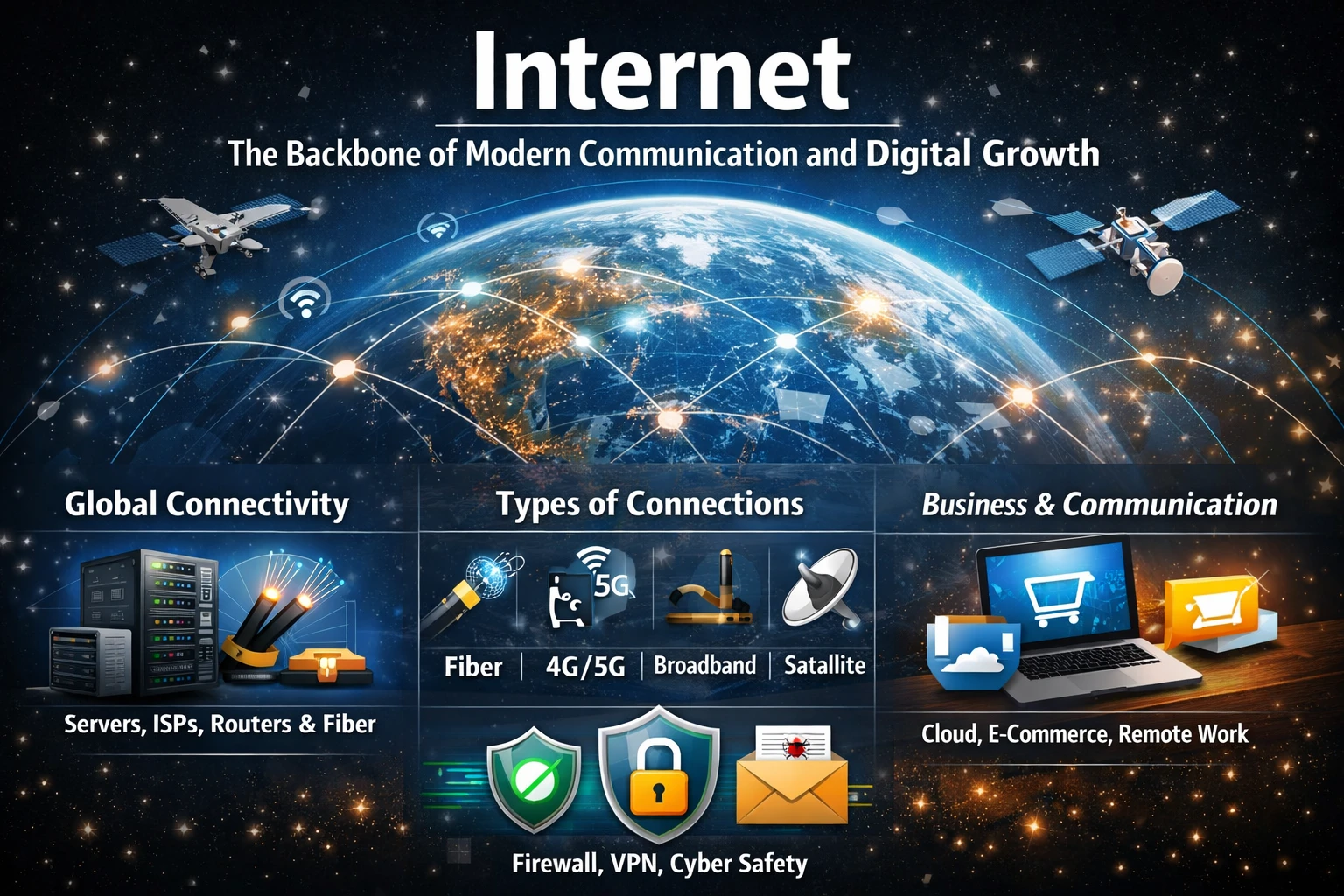
The Internet has become an essential part of everyday life, connecting people, businesses, and technologies across the globe. From sending emails and browsing websites to running cloud-based applications and online businesses, the Internet powers the digital world we live in today.
In simple terms, the Internet is a global network of interconnected computers and servers that communicate using standardized protocols. It allows users to access information, share data, and communicate in real time, no matter where they are located.
What is the Internet?
The Internet is a massive worldwide network that links millions of private, public, academic, and business networks. It works by transmitting data in small packets using Internet Protocol (IP) and Transmission Control Protocol (TCP).
When you open a website, send a message, or stream a video, your device sends a request to a server somewhere in the world, and the server responds with the data you asked for—all within seconds.
Key Components of the Internet
1. Servers
Servers store websites, applications, and online data. When users request information, servers deliver it to their devices.
2. Internet Service Providers (ISPs)
ISPs like Airtel, Jio, BSNL, or local broadband companies provide Internet access to homes and businesses.
3. Routers & Network Devices
Routers and switches manage and direct data traffic between networks and devices.
4. Protocols (TCP/IP, HTTP, HTTPS, FTP)
These are rules that define how data is sent, received, and displayed over the Internet.
Types of Internet Connections
-
Fiber Internet – High-speed and reliable for offices and businesses
-
Broadband (DSL/Cable) – Common home and small office connection
-
Mobile Data (4G/5G) – Wireless Internet for smartphones and hotspots
-
Satellite Internet – Used in remote and rural areas
Benefits of the Internet
-
Instant Communication – Email, video calls, and messaging apps
-
Access to Information – Education, research, and online learning
-
Business Growth – E-commerce, digital marketing, and cloud services
-
Remote Work – Secure access to office systems using VPN and cloud tools
-
Entertainment – Streaming, gaming, and social media
Internet Security and Safety
With the growth of Internet usage, cyber threats have also increased. Protecting your network is essential for both individuals and businesses.
Key security measures include:
-
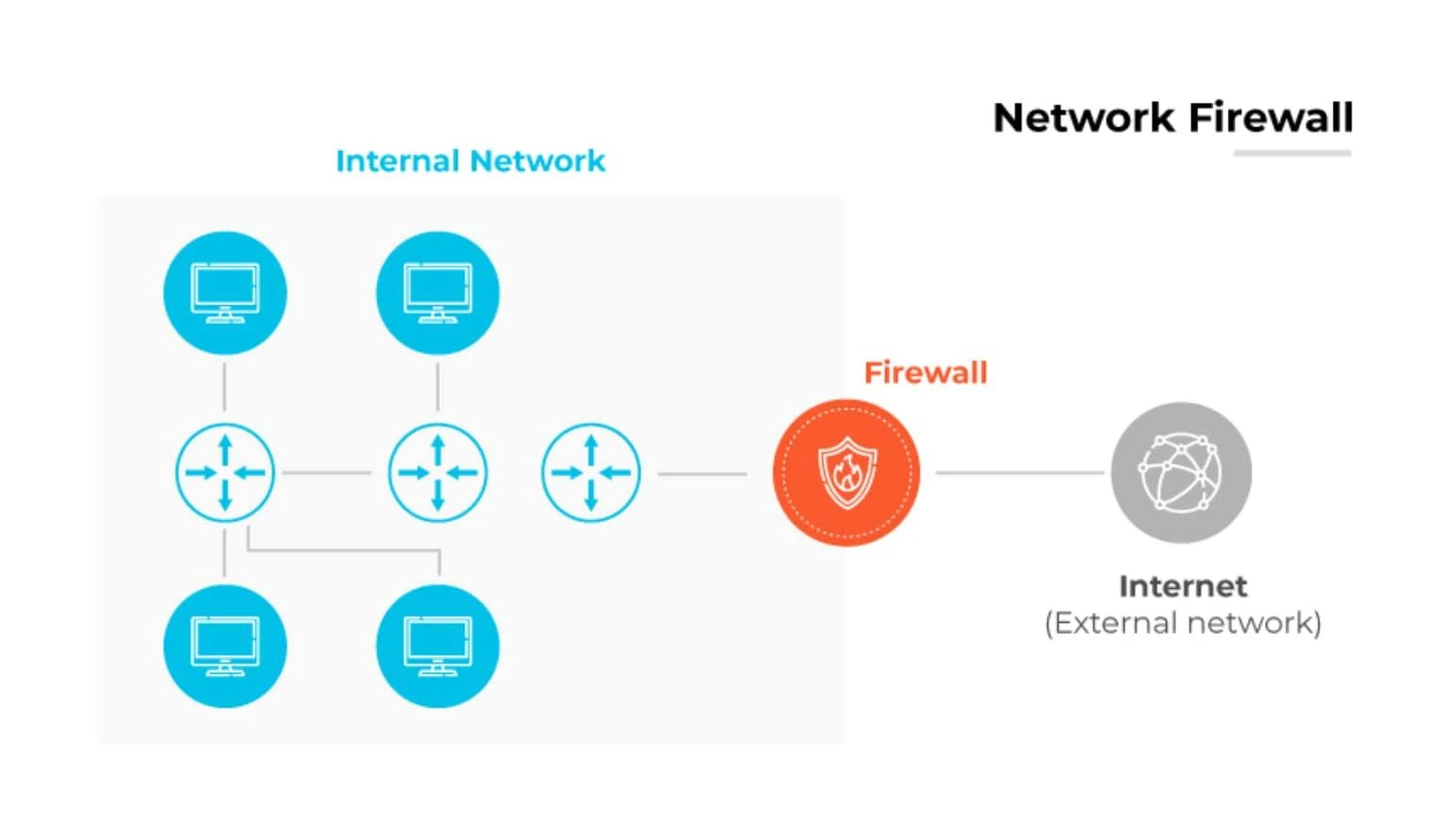
Using firewalls to block unauthorized access
-
Installing antivirus and endpoint protection
-
Enabling VPN for secure remote access
-
Using strong passwords and multi-factor authentication
-
Regular software and system updates
Role of the Internet in Business
For modern businesses, the Internet is more than just connectivity—it is a productivity tool. Companies use it for:
-
Cloud computing and data storage
-
Video conferencing and collaboration
-
Online sales and digital marketing
-
IT support and remote system management
A stable and secure Internet connection improves efficiency, customer satisfaction, and overall business growth.
Future of the Internet
Technologies like 5G, Artificial Intelligence, Internet of Things (IoT), and Cloud Computing are shaping the future of the Internet. These innovations will make connectivity faster, smarter, and more integrated into daily life and business operations.
Conclusion
The Internet is the foundation of the digital era, connecting people, powering businesses, and enabling innovation. Whether for communication, education, or enterprise operations, a reliable and secure Internet connection is essential for success in today’s world.
Investing in proper network infrastructure and security ensures that you get the best performance and protection from your Internet services.

Comments: